Overview
Project Breakdown
The gentle thief is my second solo level design project made in Unreal Engine 5 and is inspired by Sly Cooper, Assassin’s Creed and Kaito Kid.
My goal here was to create a narrative-driven level experience, create more complex puzzles and explore some fun level design while providing multiple paths for the player.
Project goals: Narrative, Puzzle creation, Blockout practice, use of AI, sounds and creative verticality with climbing
Project length: 1 month
Programs used: Unreal Engine 5, Krita
Packages used: Interaction with ALS, Mega Music Collection Sample
Narrative sequence – Kishoutenketsu
As I wanted to construct a narrative-driven level, I focused the structure of gameplay around the Kishoutenketsu method. This is a narrative technique popular in eastern media and consists of 4 parts, introduction, development, twist and conclusion.
Ki – introduction
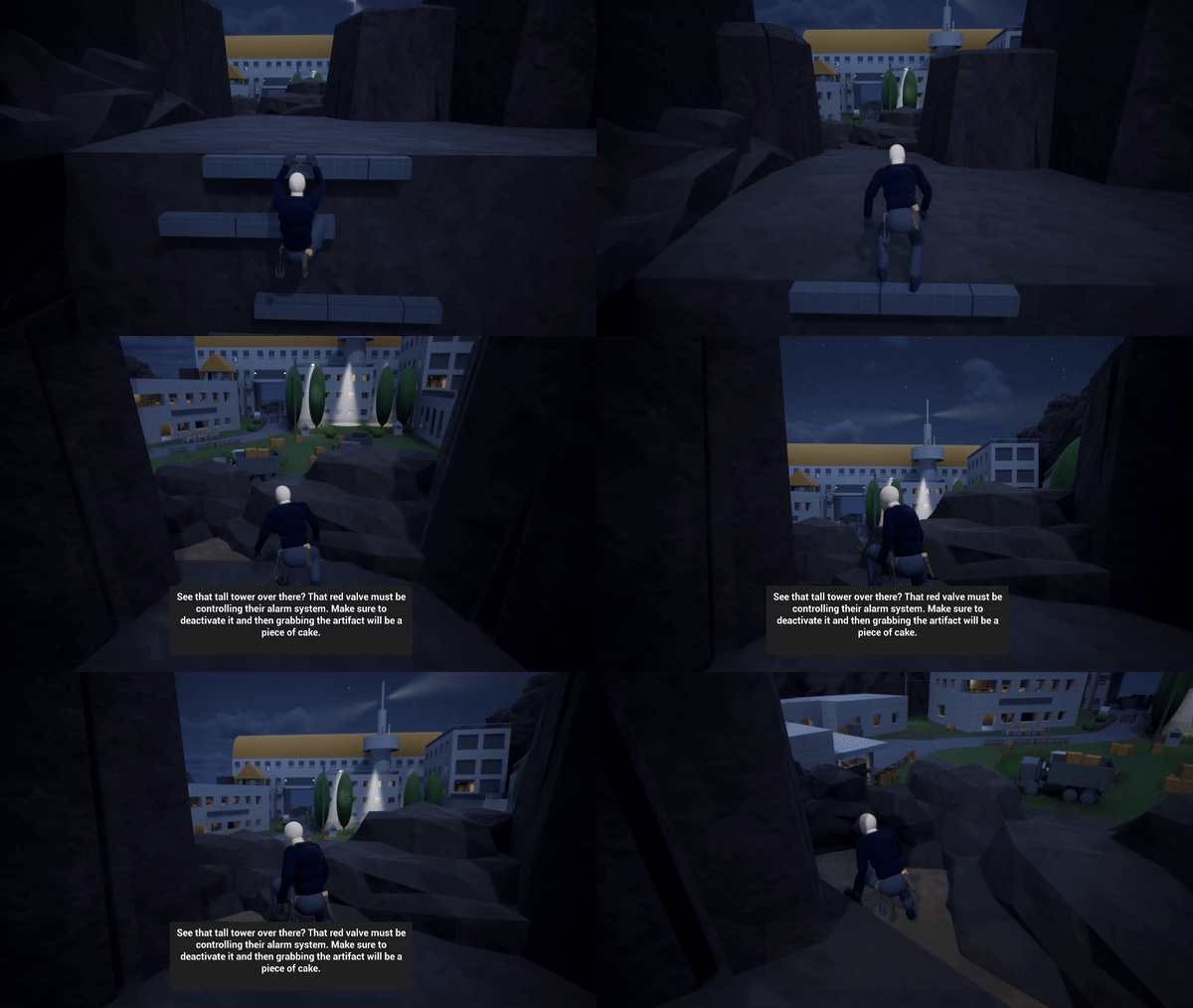
The player is introduced to the level and is immediately provided with a goal – to find and steal an Egyptian artifact. The level is the revealed and the player can pick their preferred path of action. Ki usually takes about 12% of the story.
Shou – development
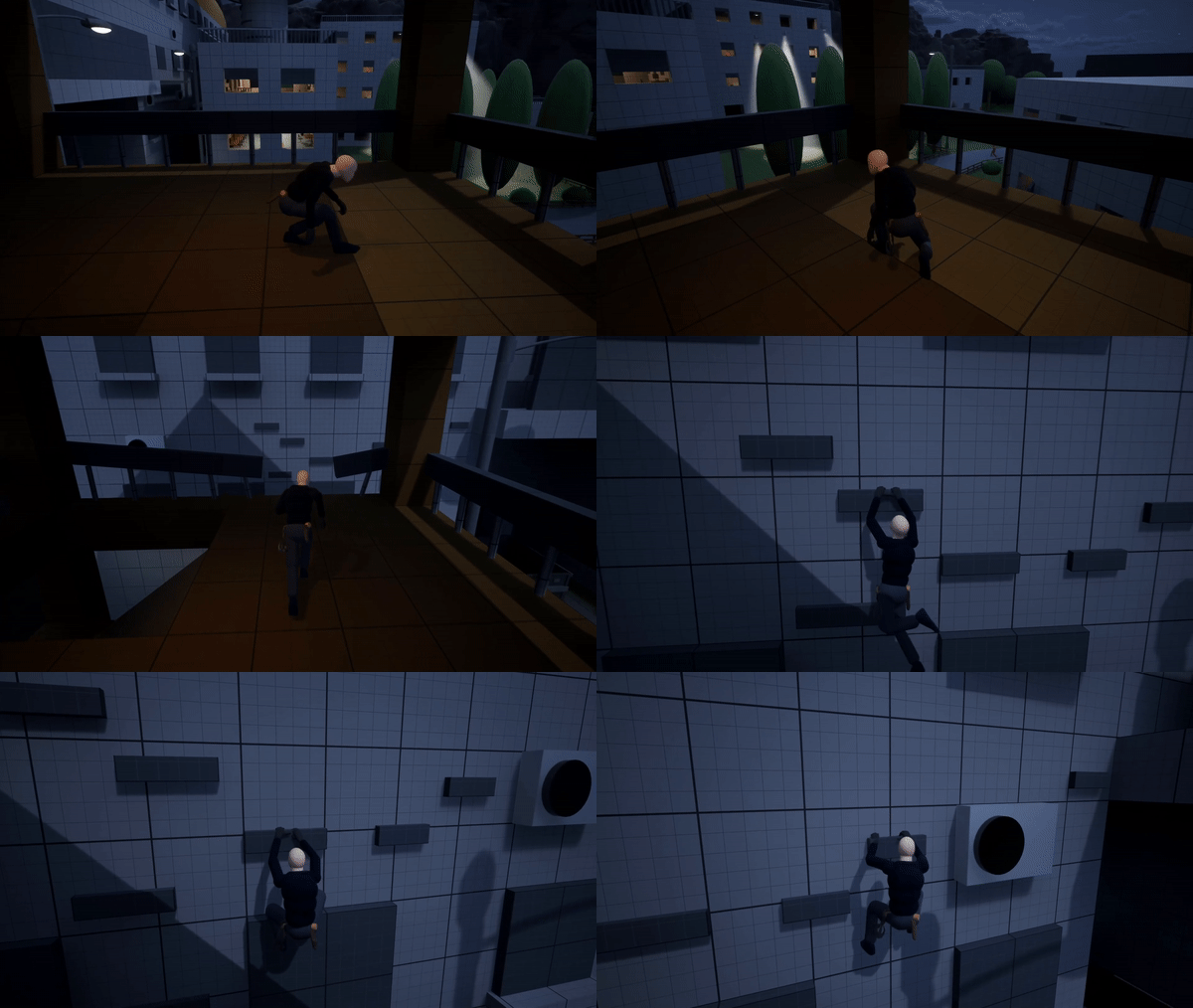
After the player chooses their path, the main part of the game takes place. This is where stealth, puzzles, eavesdropping, parkour and all game mechanics are available to the player. Shou is the greatest part, at ~40% of total.
Ten – twist
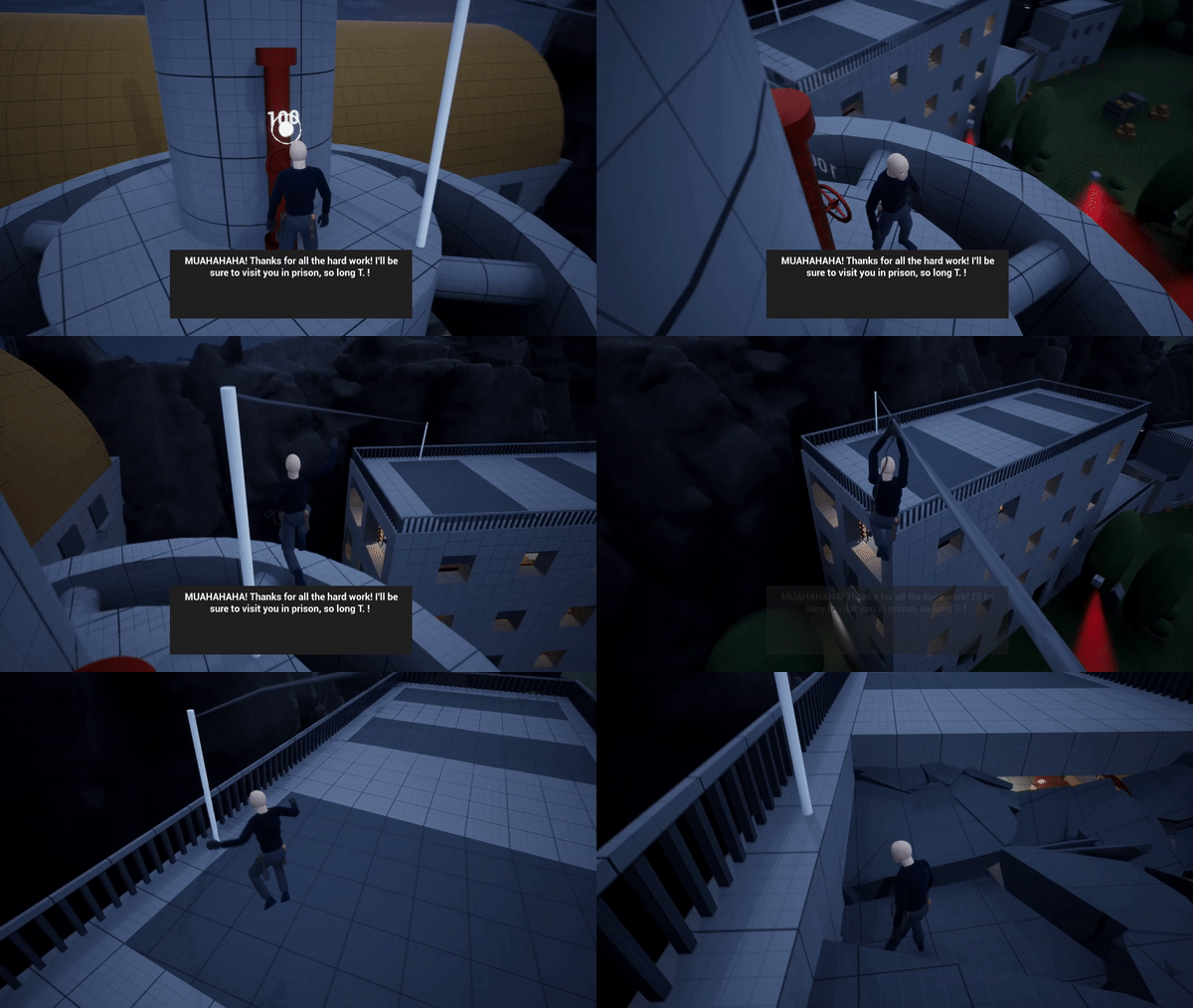
The twist was a core idea of my narrative, but it had to be short and clear for such a standalone level. This unexpected turn of events was also the reason I went for the Kishoutenketsu method.
Ketsu – conclusion
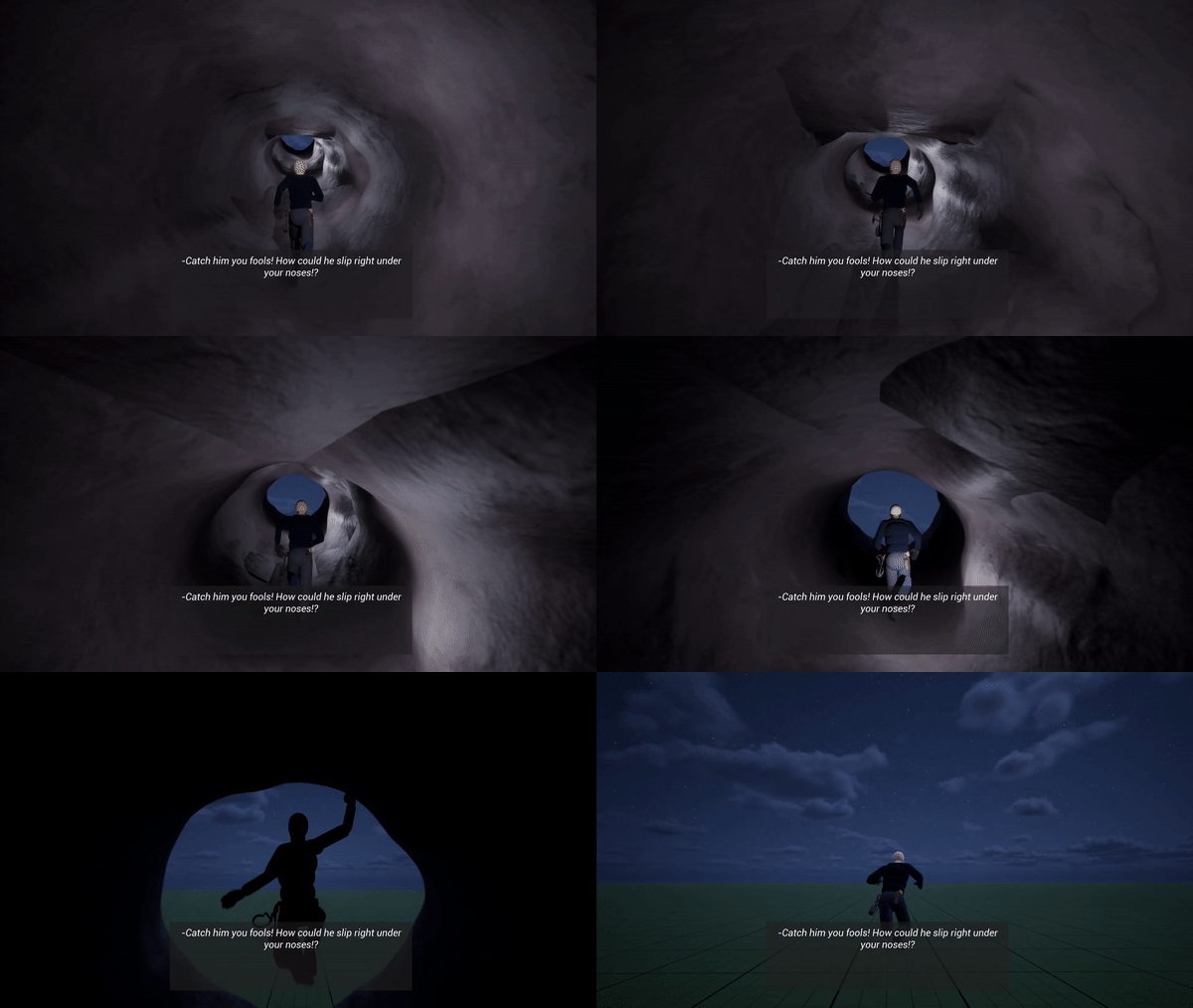
After the twist, the gameplay comes to an escape sequence and the player can either steal the artifact if they have found the key, or just escape. This provides consequence to the gameplay and brings the action to a good end.
Level design breakdown
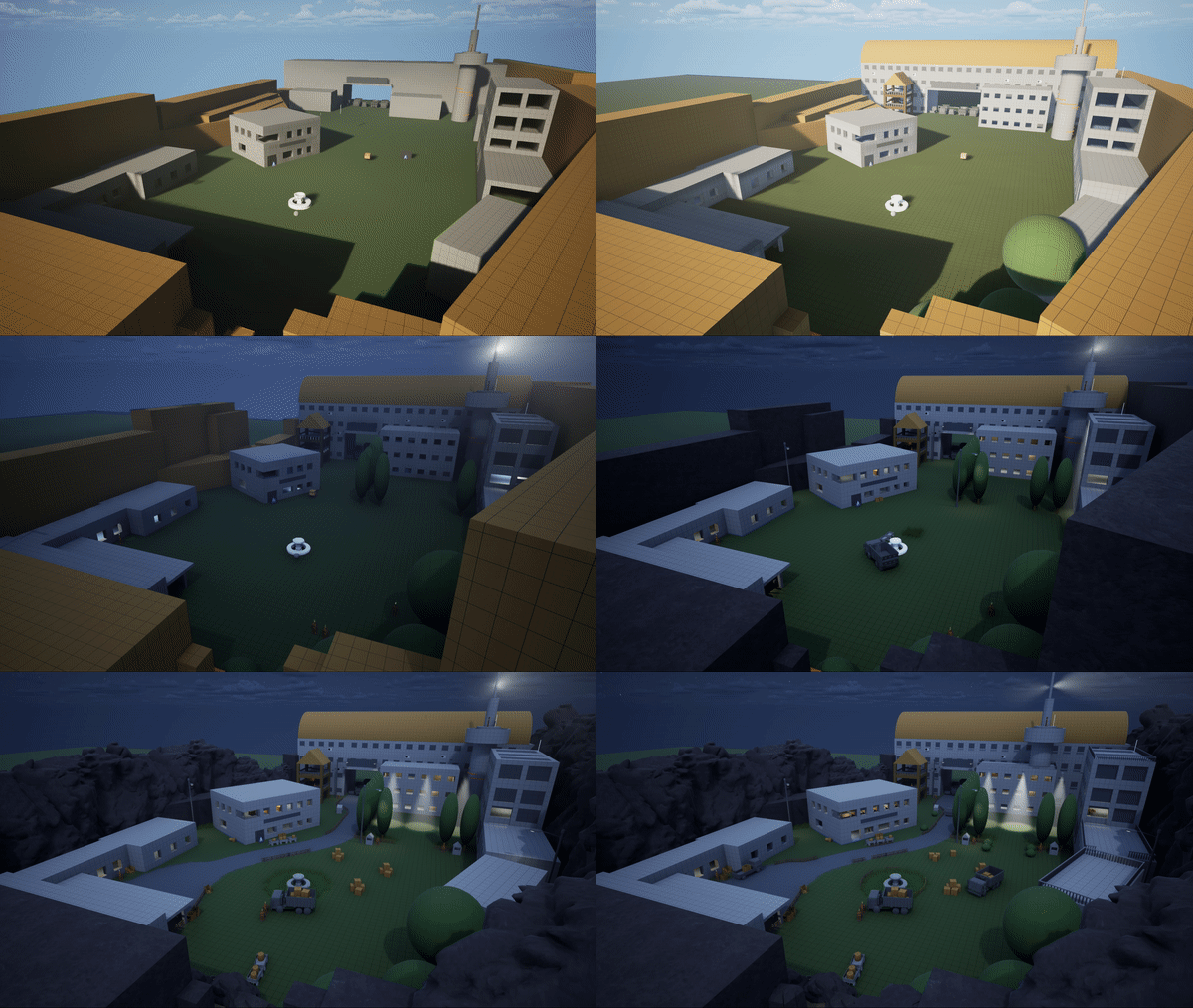
With this level, I wanted to create a sense of “openness” and to make it feel like a puzzle itself. A bit like the forts from Assassin’s Creed Odyssey, the level is an open space, enclosed by the environment – in this case a campsite of archeological research in the mountains – and is meant to be part of a larger world.
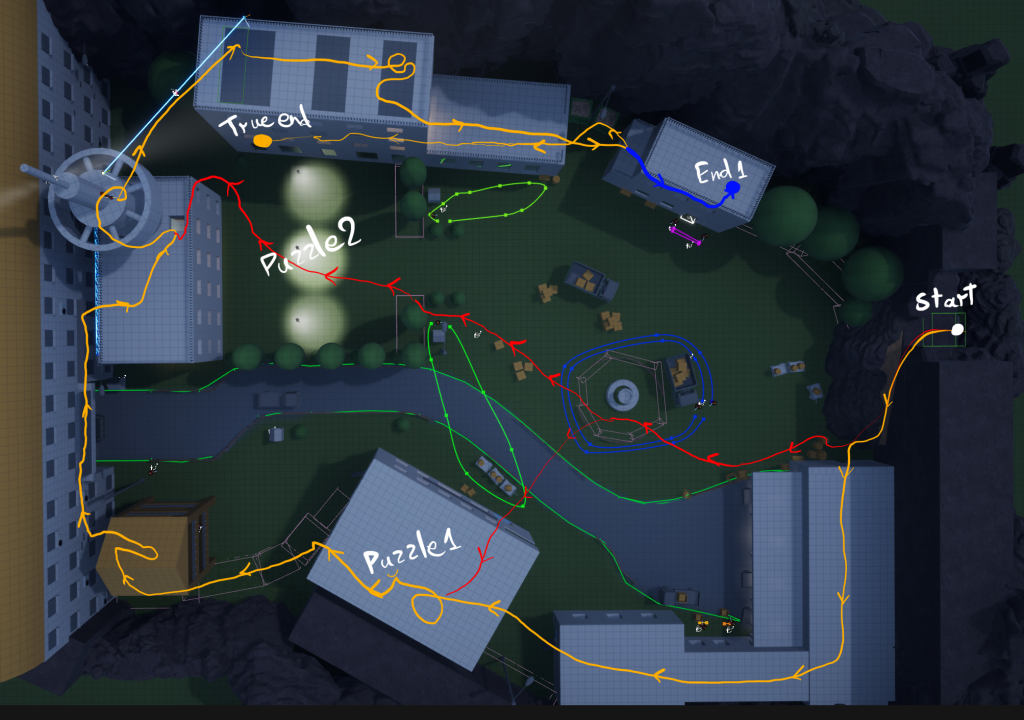
Composition
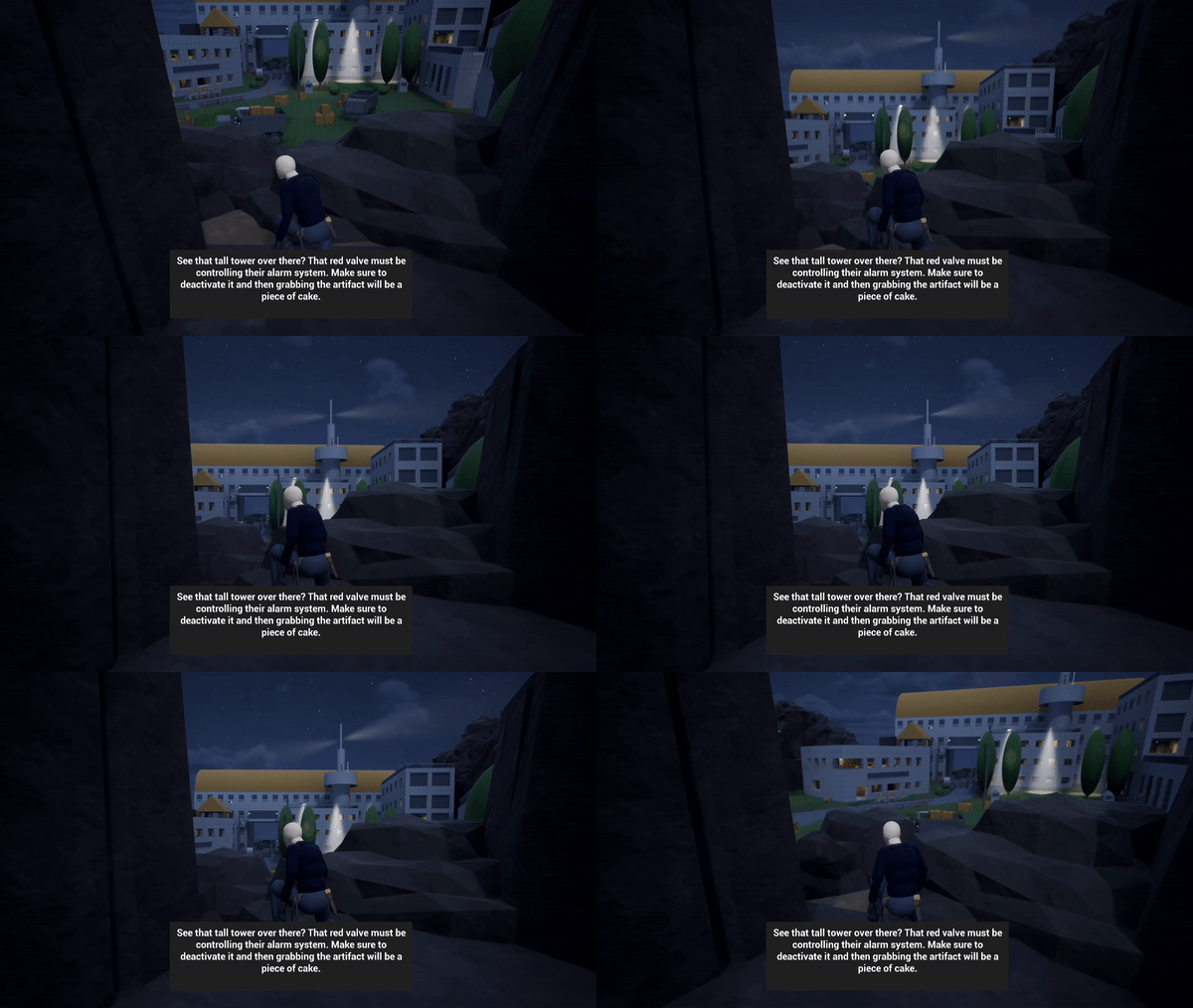
Throughout the level, composition is central, from the reveal of the main objective at the beginning, to introducing the next safe stealth point for the player. Although games are not photography, adhering to simple composition rules makes the game play more clear and guides the player in a non-verbal fashion.
Affordance
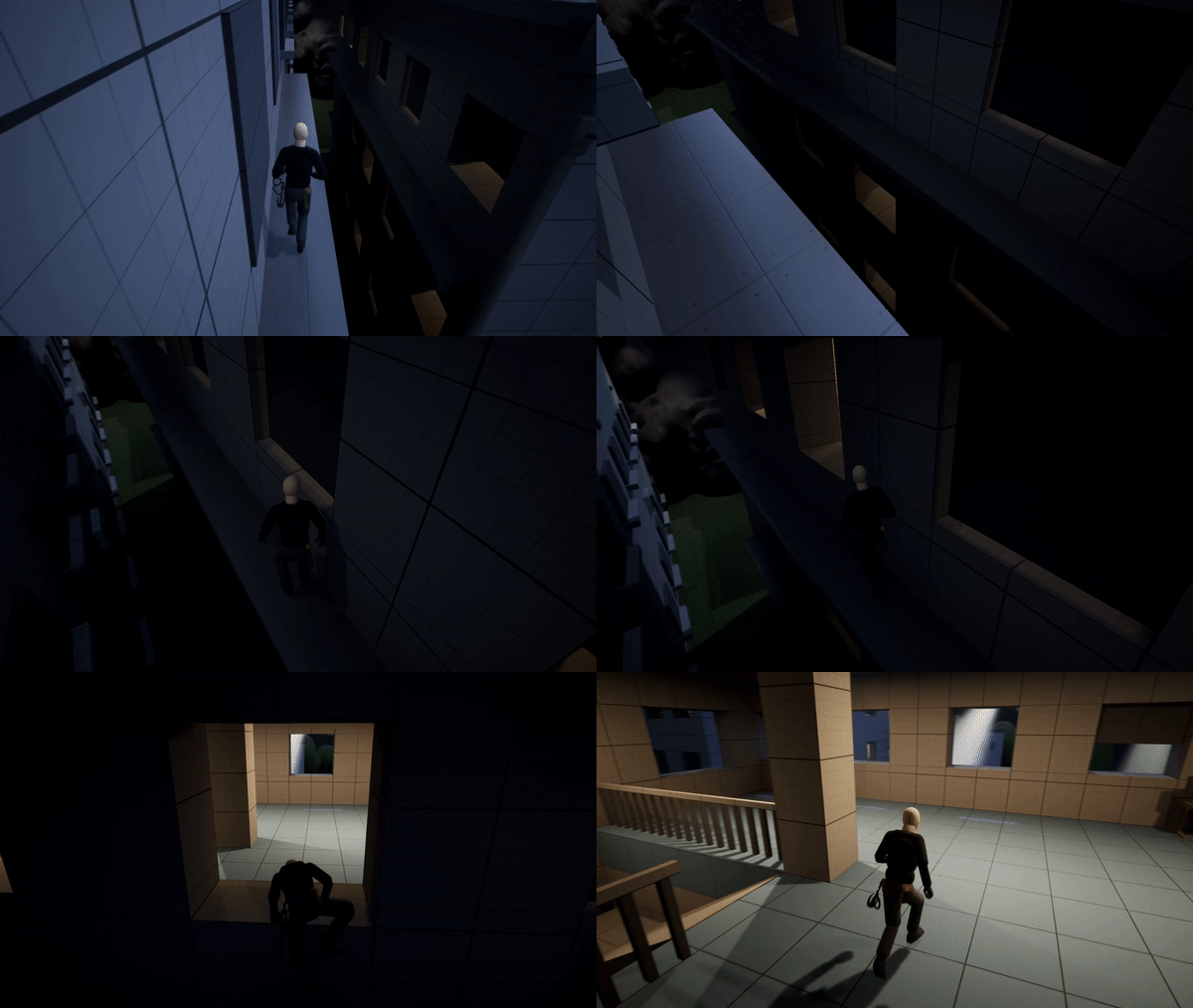
Distances are made clear to the player, defining impossible actions and thus providing a safe path through the level. Examples are the window of the second building that the player can climb and the ledge of the tower-control building where the player can jump to.
Line of sight
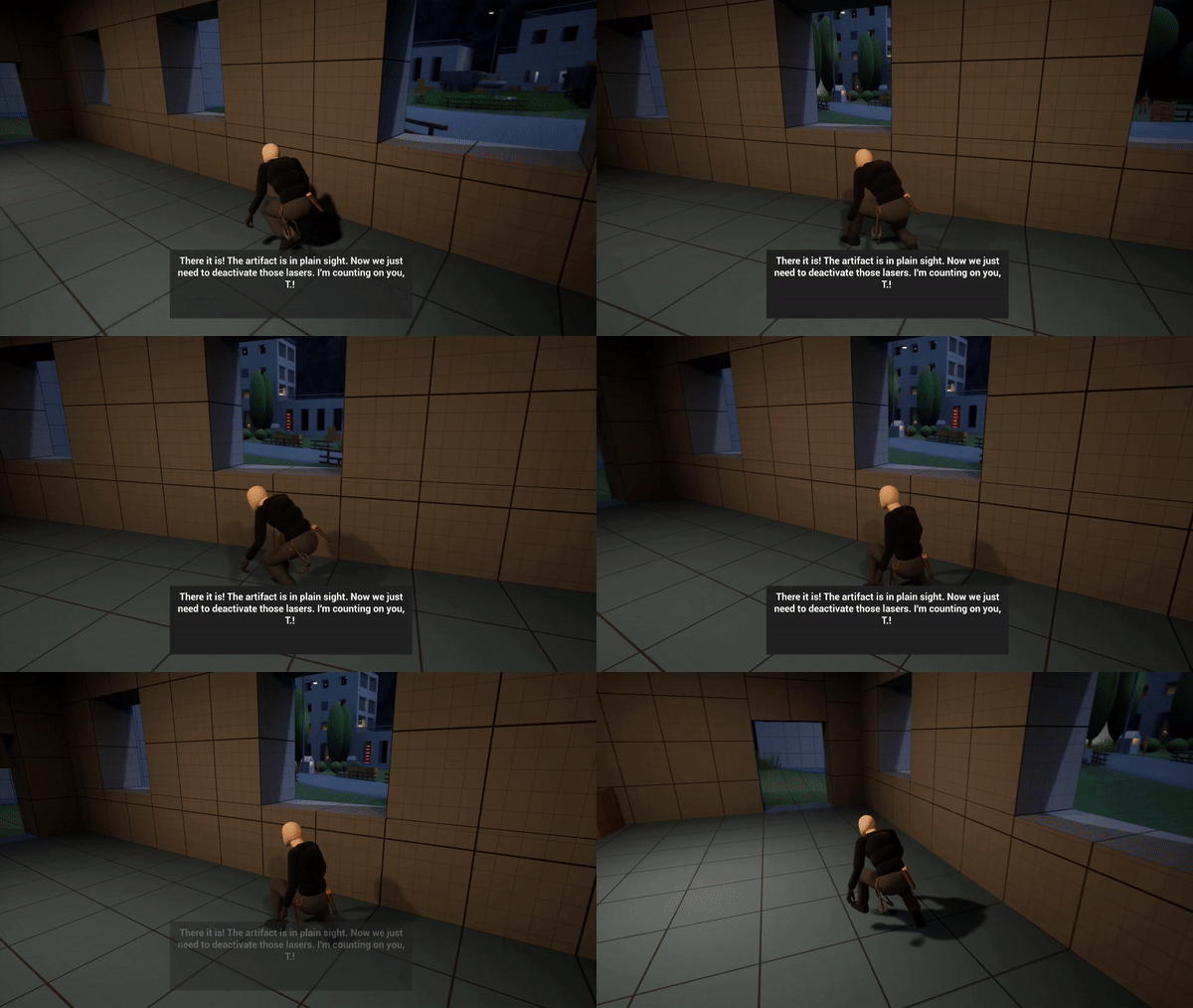
A part of composition actually, I wanted to experiment with line of sight in a third person game. While camera movement is generally more predictable in first-person settings, one can guide the player’s vision with the correct level design. Examples are the reveal of the artifact from the window of the first building and the reveal of the guard through the only window between bookshelves.
Leading the player – Openings
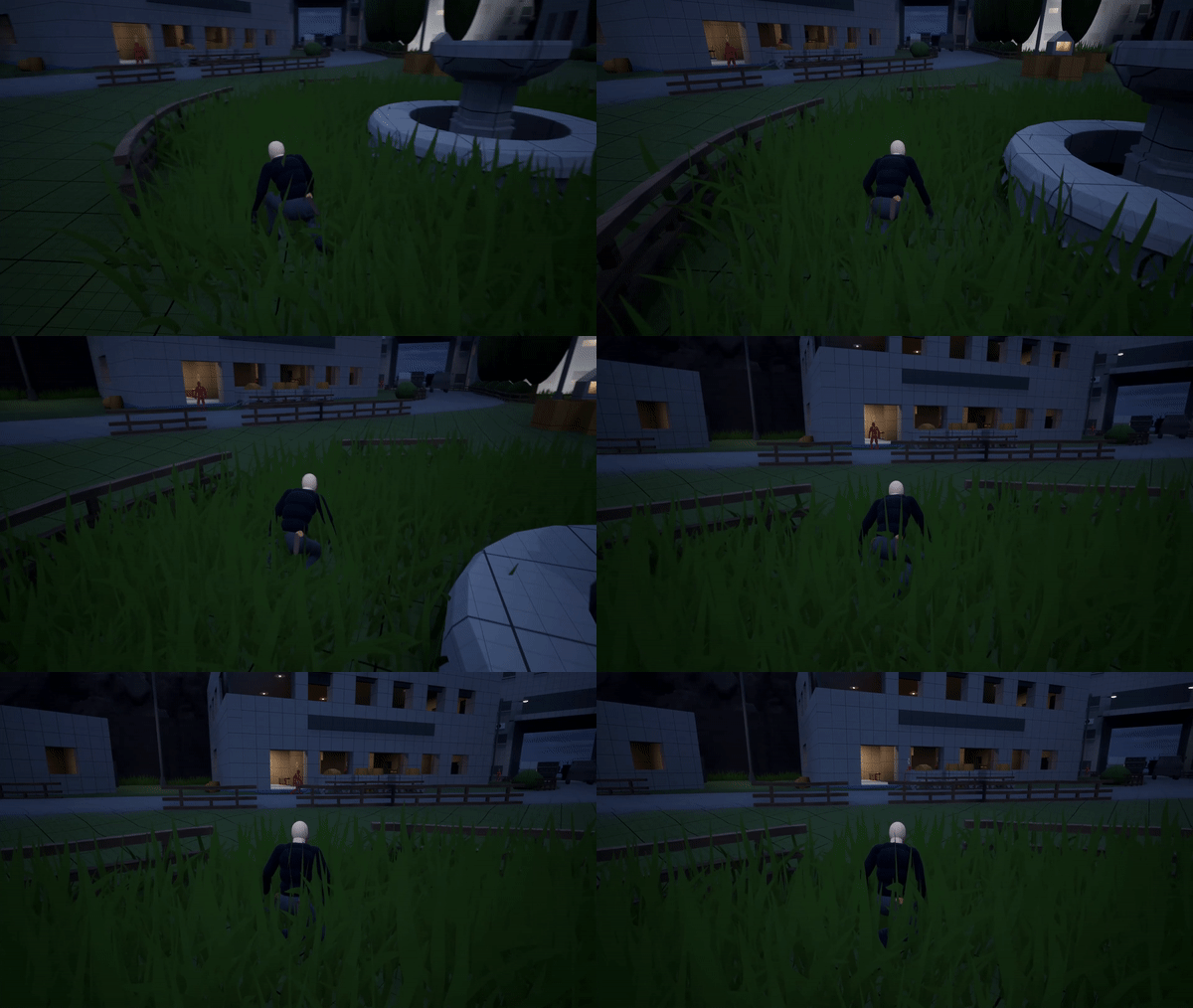
The player is led throughout the level by lights, openings and geometry (guiding lines). Although the effectiveness of such methods is debated by some, I still like to incorporate said elements in my level and watch how each player reacts. Examples are the barrels in the beginning, which suggest going inside the building and the clear opening of the fences from the fountain in the courtyard to the door of the second building.
Verticality
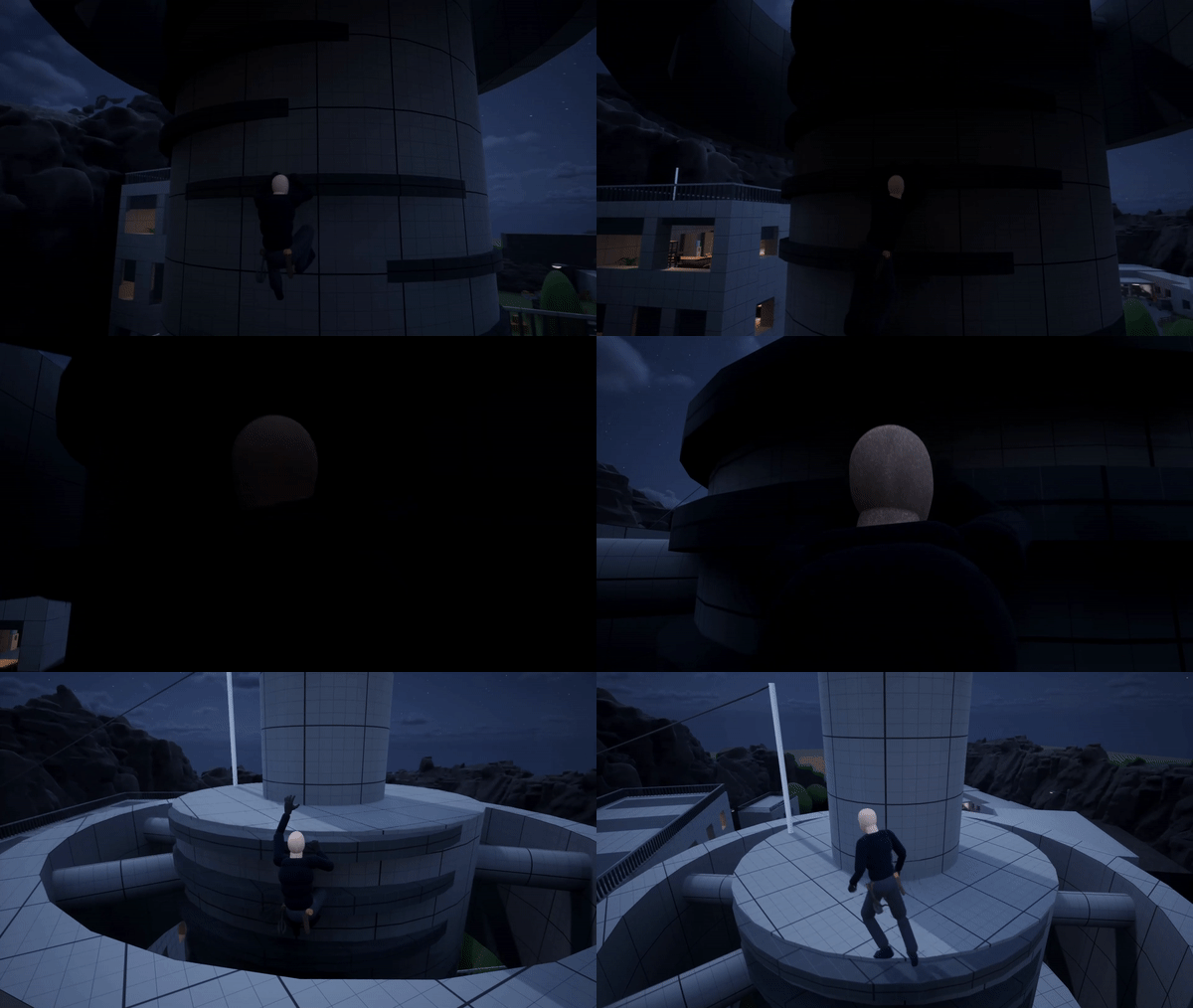
In “the gentle thief” verticality plays a significant role, as it is directly proportional to the narrative tension. The highest point the player reaches, signifies the highest tension point and the twist. From there it’s downhill, until the player goes even below the ground in an attempt to escape from the traitor, and concludes with a “katharsis” at the ground level, where the player started.
Bait and switch
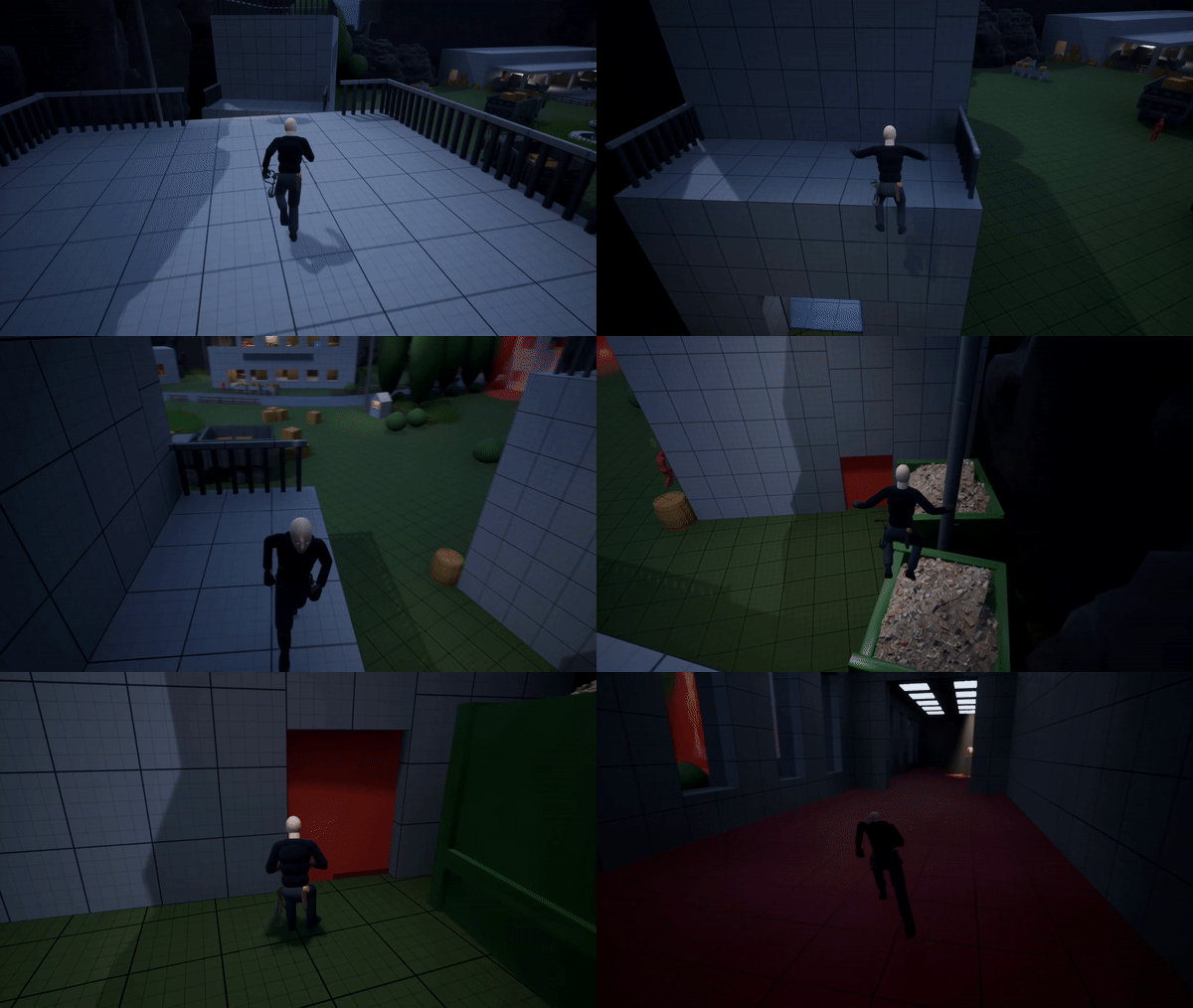
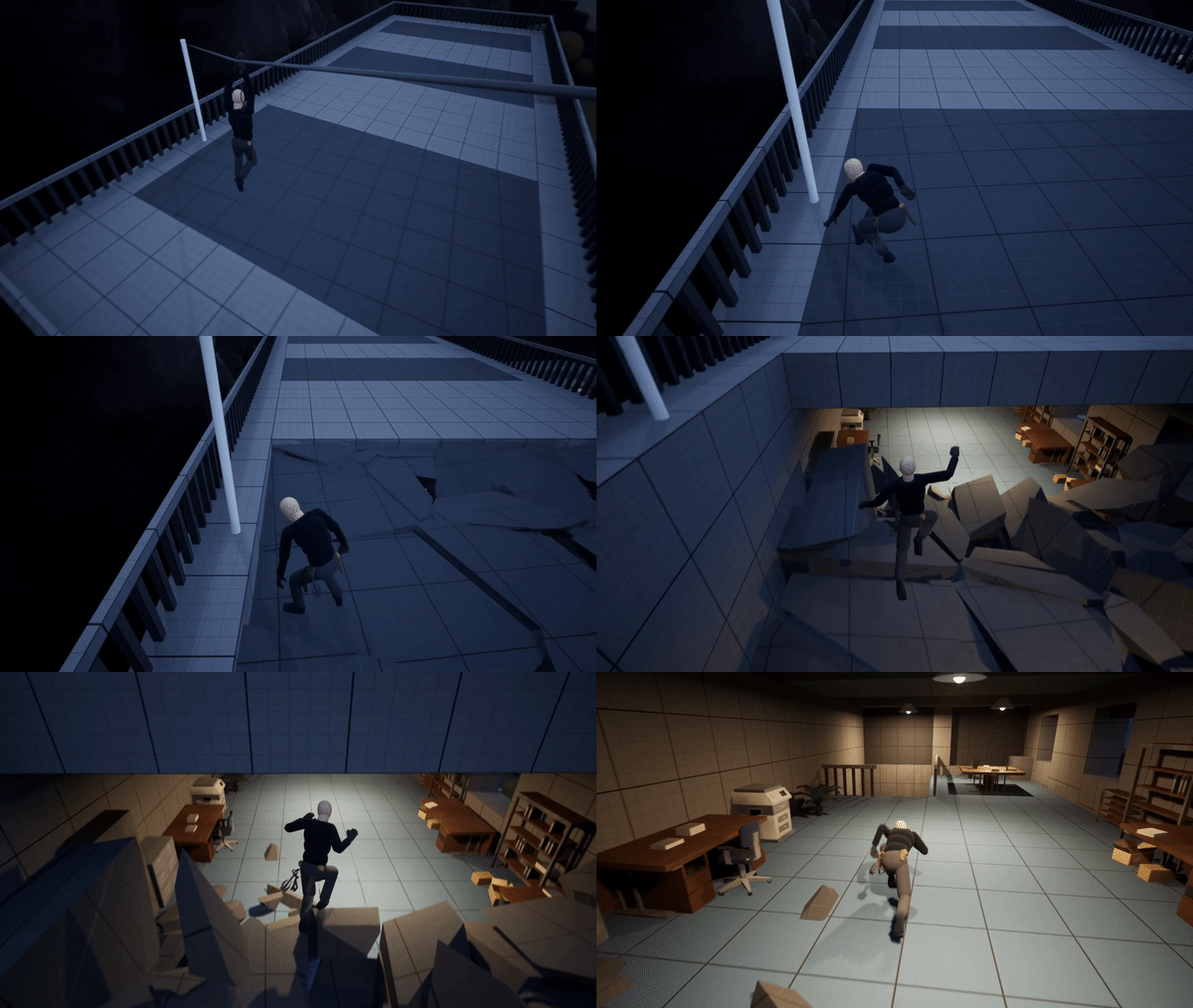
At the final escape sequence, the player is baited with a jump on the next building, but since they cannot continue, they have to change directions and fall on the on trash cans behind them. That’s when they see the door to the exhibition room, where the artifact is kept.
Puzzles
Designing puzzles is an essential part of single-player level design, and I definitely wanted to incorporate some in my level and reward the player for solving them.
Puzzle 1 – optional
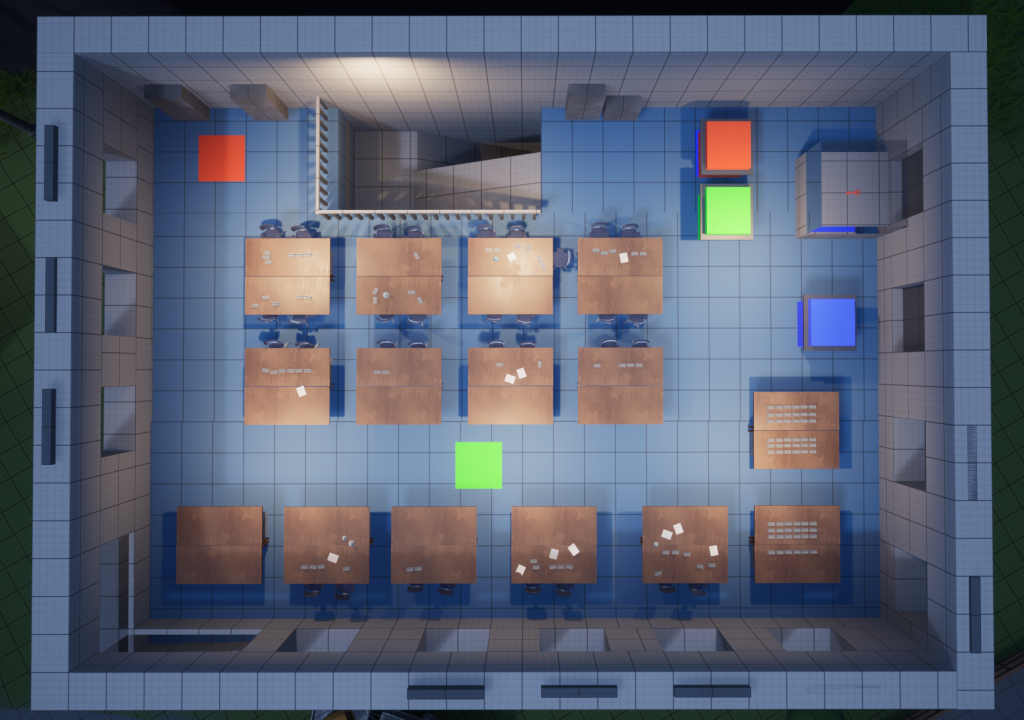
Puzzle 1 is optional and rewards exploration, if the player goes into the second floor of the second building. It is based on a simple algorithm, where the player has to move the boxes on the same-colored switches. Solving this puzzle grants the player the master key, which is also the only way to achieve the “true ending”, by stealing the artifact.
Puzzle 2 – secondary path
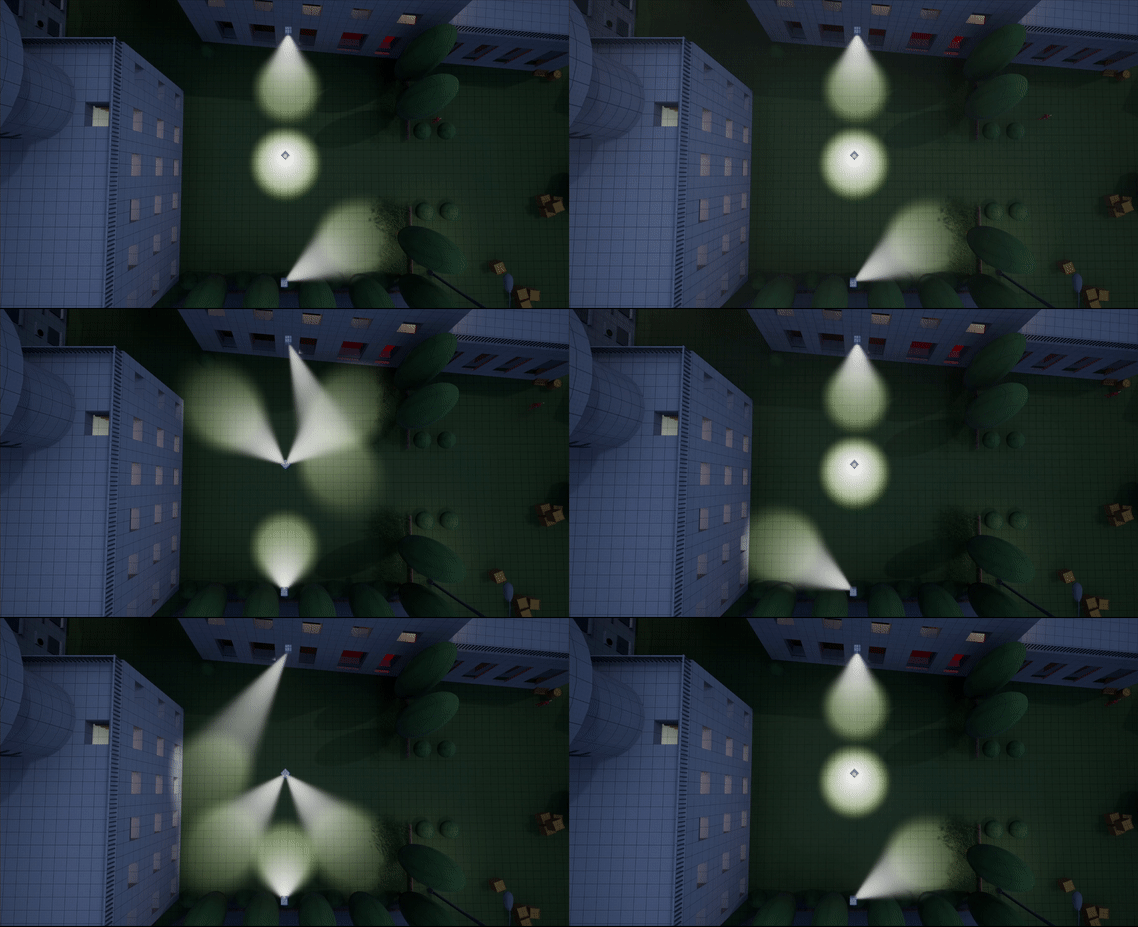
If the player chooses the secondary and more difficult path and goes all the way, their end up in the courtyard with the security drones. From a safe area, the player has to read the pattern of the lights, to make their way through the drones and reach the control tower. This puzzle is more difficult and acts more like a challenge to players who want to rush through the middle of the level.
Scripting
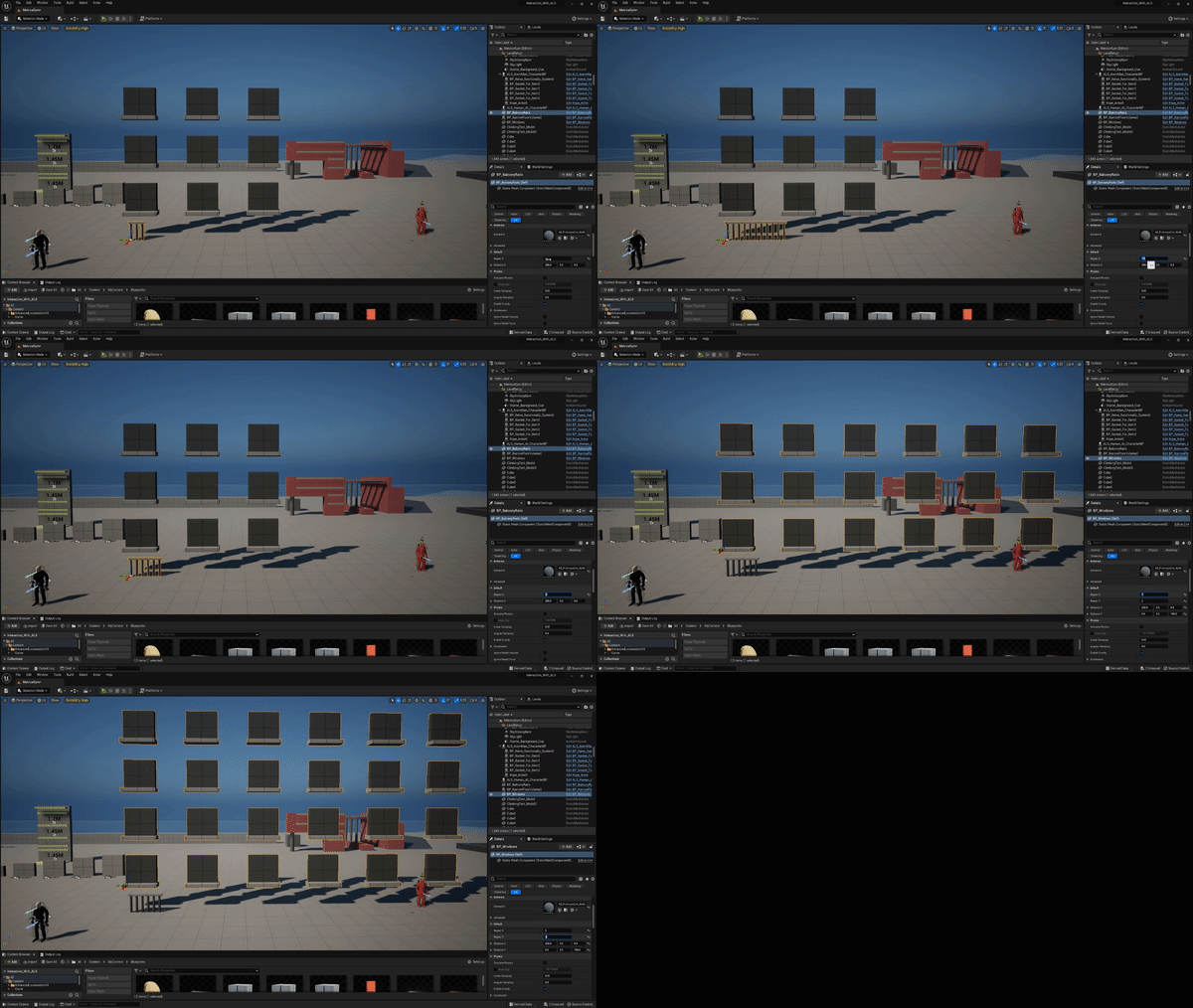
For “the gentle thief” I used the Interaction with ALS package, which comes with locomotion, climbing, AI, shooting and many more. So the scripting I did was kept at a reasonable level, and I saved a lot of time of working on non-level design stuff. Technical level design Creation of procedural elements is essential for avoiding tedious work during the block out phase. I made the windows and balcony rails using simple construction script code in blueprint.
Of course there are also many scripted actions in the level, from the dialog system and cinematic with sequencer to sound implementation and chaos destruction. Most of the player interactions are using the framework of the Interaction with ALS package.
Closing thoughts & what could be done better
All in all, I am happy with the level, as my main goals of creating a narrative, stealth gameplay and puzzles were achieved. But of course a lot could have been done better. First, while I still think that the open space in the middle of the level can work in a lot of different scenarios, it made the level feel more empty in this case and also made optimization a lot harder. The setting itself could change, for example to an urban setting, where the player jumps from building to building, making the open space unreachable and logically empty, while hiding unnecessary elements from the view and increasing the game’s performance. Moreover, I was a bit lazy with the geometry. The building’s designs could have been a lot more detailed, so that eventually an artist will not have problems replacing the blockout with actual meshes. This and also giving more character to the buildings would also help design further gameplay elements, by dividing the areas of the level thematically for example. Last but not least, although I made a gym level and carefully calculated all the distances and interaction parameters, I still had a few problems using an external package as my main gameplay code-base. The most important being game thread performance and controls/animations, for which I am not an expert, nor do I want to be. It didn’t turn out bad, but a lot of time could have been saved, and I could still convey my level design if I had worked with an established level editor. I hope you enjoyed “The gentle thief” and please don’t hesitate to contact me, in case you have any questions!